

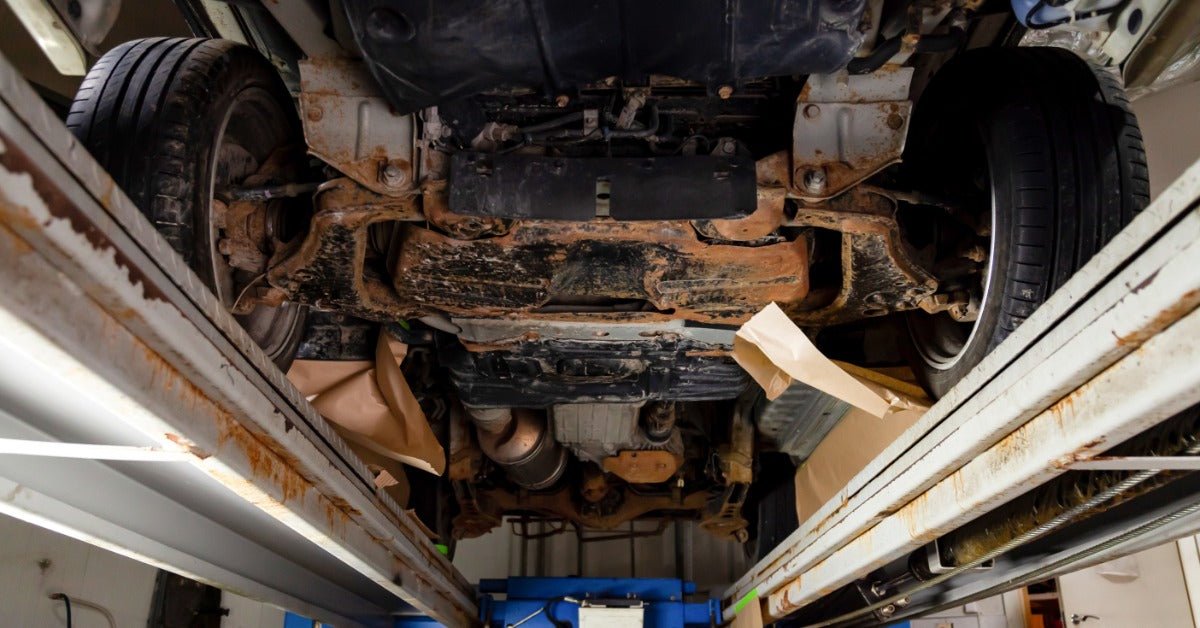
When many drivers think about rust, they picture snowy roads, road salt, and harsh winter conditions. While those factors certainly contribute to corrosion, warm weather presents its own challenges. Why summer heat accelerates vehicle rust damage is an important topic because high temperatures, humidity, and seasonal storms create ideal conditions for corrosion to develop and spread.
Summer often exposes vehicles to a combination of intense sunlight, moisture, dirt, and environmental contaminants. These elements work together to weaken protective finishes and create opportunities for rust to take hold. Whether you own a daily driver, classic car, work truck, or restoration project, understanding how summer weather affects your vehicle can help you prevent expensive repairs later.
Heat Speeds Up Chemical Reactions
Rust is the result of a chemical reaction between iron, oxygen, and moisture. Like many chemical processes, corrosion happens faster when temperatures rise. During the summer, metal panels absorb heat throughout the day, raising their surface temperature significantly above the surrounding air.
The higher temperatures increase the rate at which oxidation occurs. While heat alone does not cause rust, it accelerates the chemical reactions already taking place when moisture is present. Even small scratches or chips in the paint become more vulnerable during hot weather because exposed metal reacts more quickly with oxygen.
Vehicles parked outdoors for extended periods often experience repeated heating and cooling cycles. These constant temperature changes place additional stress on painted surfaces and protective coatings, making them less effective over time.
Humidity Creates the Perfect Environment
Many regions experience high humidity throughout the summer months. Moisture in the air settles onto metal surfaces, creating a thin film of water that may not always be visible.
Even if it hasn't rained recently, humidity can provide enough moisture to support corrosion. Overnight condensation is especially common after hot days, leaving damp surfaces until temperatures rise again the following morning.
Areas such as door seams, rocker panels, wheel wells, and underbody components tend to trap moisture longer than exposed surfaces. Once water becomes trapped inside these hidden spaces, rust has an opportunity to develop unnoticed before visible damage appears.
Summer Rain Can Be Just as Harmful
Summer thunderstorms often leave vehicles wet for extended periods. Heavy rainfall washes dirt and debris into body seams, drainage channels, and undercarriage components.
If drainage passages become clogged with leaves, mud, or road debris, standing water remains trapped against metal surfaces. Instead of drying quickly, these damp areas stay wet for days, increasing corrosion risks.
Rainwater can also carry pollutants and minerals that remain behind after evaporation. These residues attract additional moisture, extending the time surfaces remain susceptible to rust formation.
Frequent washing after storms helps remove contaminants before they begin affecting protective finishes.

Dirt Holds Moisture Against Metal
Many drivers underestimate how much dirt contributes to corrosion during summer. Dust, mud, pollen, grass clippings, and road grime collect underneath vehicles and inside wheel wells.
These materials act like sponges by trapping moisture against painted and bare metal surfaces. Even after the visible water disappears, damp debris can continue holding moisture for long periods.
Off-road driving, gravel roads, and construction zones increase the amount of dirt accumulating underneath a vehicle. Without regular cleaning, this buildup creates ideal conditions for corrosion to spread.
Paying extra attention to undercarriage cleaning during summer can significantly reduce long-term rust damage.
Sunlight Weakens Protective Coatings
Paint serves as the primary barrier protecting vehicle metal from corrosion. Unfortunately, prolonged exposure to ultraviolet rays gradually breaks down automotive finishes.
As paint ages, it may begin fading, chalking, or developing tiny cracks. Clear coats also lose flexibility after years of intense sunlight.
These small imperfections allow moisture to reach the metal underneath. Even microscopic openings become entry points for corrosion when combined with humidity and heat.
Regular inspection helps identify damaged areas before rust begins spreading beneath the paint surface.
Small Paint Damage Grows Faster During Summer
Rock chips, scratches, and minor dents may appear harmless initially, but summer conditions allow these imperfections to become larger problems.
Once bare metal becomes exposed, moisture and oxygen begin attacking the surface almost immediately. High temperatures accelerate the corrosion process while humidity keeps the damaged area moist.
Over time, rust expands beneath surrounding paint, causing bubbling, lifting, and peeling. What started as a tiny paint chip can eventually require extensive body repair if ignored.
Touching up damaged paint promptly helps maintain the protective barrier and prevents corrosion from spreading further.

Protective Products Make a Difference
Routine maintenance plays a major role in reducing seasonal rust damage. Washing your vehicle regularly removes dirt, road grime, pollen, and contaminants before they have time to trap moisture.
Protective waxes and sealants provide an additional layer between painted surfaces and the environment. For areas already showing signs of wear, applying rust protection paint to properly prepared surfaces helps create another barrier against moisture while extending the life of exposed metal.
It's equally important to inspect hidden areas that often receive less attention. Wheel wells, rocker panels, door bottoms, and the underbody should be checked periodically for dirt buildup, chipped coatings, or early signs of corrosion.
Consistent maintenance throughout the summer is often far less expensive than repairing advanced rust damage later.
Garage Storage Isn't Always Enough
Many people assume parking inside completely eliminates rust concerns. While garage storage certainly reduces exposure to rain and sunlight, it doesn't completely prevent corrosion.
Vehicles brought into enclosed garages while still wet may remain damp for extended periods, especially if ventilation is limited. Humidity trapped inside the garage can slow the drying process.
Similarly, garages that experience significant temperature swings may encourage condensation on cooler metal surfaces.
Allowing your vehicle to dry thoroughly and maintaining good garage airflow both help reduce moisture-related corrosion.
Regular Inspections Prevent Bigger Repairs
One of the most effective ways to limit rust damage is through routine inspections. Small corrosion spots are far easier to repair than widespread structural damage.
Look closely at wheel arches, lower door panels, rocker panels, trunk seams, and areas surrounding windshield moldings. Check underneath the vehicle for chipped coatings or exposed metal that may require attention.
If corrosion is found early, cleaning the affected area, removing surface rust, and restoring the protective finish often prevents much larger repairs later.
Routine inspections also help identify clogged drain holes that may be trapping water inside body panels.
Protect Your Vehicle Throughout Every Season
Although winter receives most of the attention, how summer temperatures speed up automotive corrosion deserves equal consideration. High heat, humidity, rain, sunlight, and environmental contaminants work together to create conditions where rust develops surprisingly quickly.
Taking simple preventive steps throughout the summer can greatly reduce long-term corrosion. Regular washing, prompt repair of paint damage, proper storage, and periodic inspections all help preserve your vehicle's finish and structural integrity.