

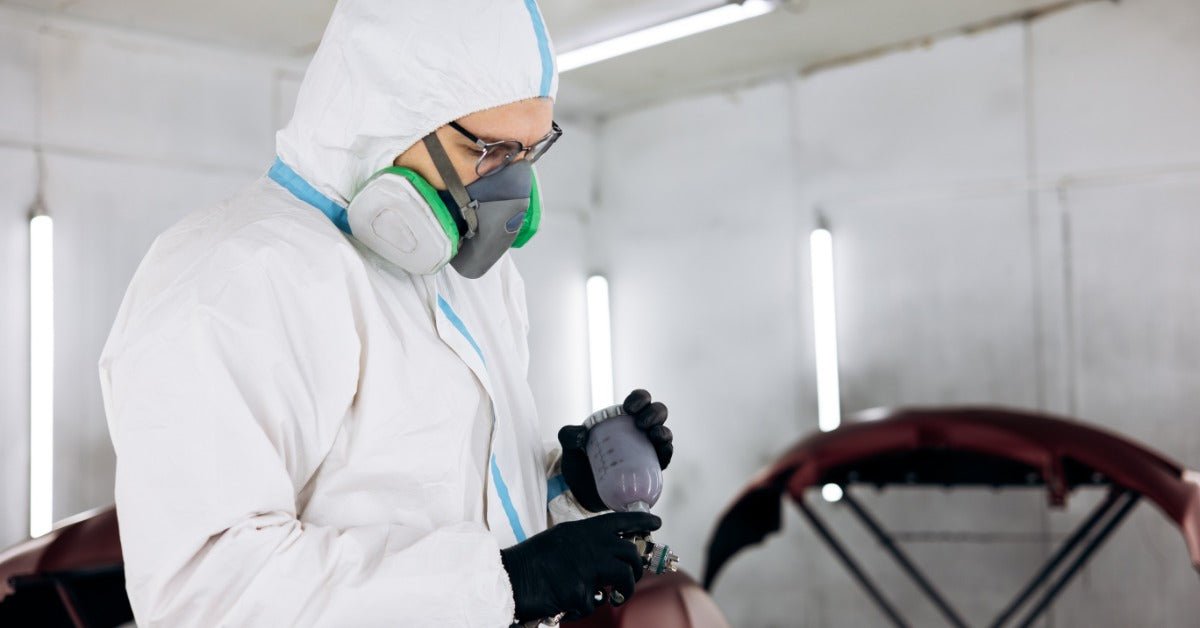
Personal protective equipment (PPE) is one of the most important investments any body shop can make. It protects technicians from hazardous materials, reduces the risk of workplace injuries, and helps maintain compliance with safety regulations. While many shop owners recognize the importance of PPE, small mistakes in selection, use, and maintenance can quietly lead to significant financial losses over time.
From damaged finishes caused by contamination to employee downtime and unnecessary replacement costs, improper PPE practices affect much more than worker safety. Understanding these common mistakes allows shops of every size to improve efficiency while protecting both employees and profits.
Why PPE Matters Beyond Safety
Many people associate PPE strictly with workplace safety, but its impact extends much further. Proper protective equipment helps maintain consistent workmanship by preventing contaminants from reaching freshly painted surfaces. It also allows technicians to work comfortably and confidently without unnecessary exposure to chemicals, dust, or sharp materials.
Body shops that invest in quality PPE often experience fewer interruptions, lower accident-related expenses, and more consistent repair quality. When equipment is selected and used correctly, technicians spend less time dealing with preventable issues and more time completing profitable work.
Ignoring PPE best practices may not create immediate problems, but the long-term costs often outweigh the initial savings from purchasing lower-quality equipment or skipping replacements.
Mistakes That Can Cost Your Shop
One of the biggest financial risks comes from overlooking basic PPE procedures. PPE mistakes that can cost body shops money often begin with seemingly minor decisions that gradually create larger operational problems.
Using worn-out equipment, delaying replacements, or choosing products designed for the wrong application can increase workplace hazards while reducing productivity. Technicians may experience discomfort that slows production, while damaged protective gear may no longer provide adequate protection against paint, solvents, or airborne particles.
Poor PPE practices can also contribute to contamination during refinishing work, resulting in costly rework that consumes additional labor, materials, and booth time.
Choosing PPE Based Only on Price
Budget considerations matter for every business, but selecting PPE solely because it has the lowest price can become expensive in the long run.
Lower-quality protective equipment often wears out more quickly, requiring frequent replacement. Gloves may tear more easily, coveralls may lose their protective properties after limited use, and safety eyewear may scratch or fog excessively, making work more difficult.
Instead of evaluating only the purchase price, body shops should consider overall value. Durable PPE that performs consistently throughout its intended lifespan often reduces replacement frequency while improving technician comfort and efficiency.
Reliable equipment also helps maintain productivity because employees spend less time replacing damaged gear during the workday.

Wearing the Wrong PPE for the Job
Not every repair requires the same level or type of protection. One common mistake involves using equipment that does not match the specific task being performed.
For example, sanding operations generate fine dust that requires appropriate respiratory protection, while paint mixing exposes technicians to chemicals requiring different protective equipment. Welding, grinding, and refinishing each present unique hazards that demand suitable PPE.
Using one type of equipment for every task may appear convenient, but inadequate protection increases the likelihood of injuries, contamination, and costly downtime.
Proper training ensures employees understand which equipment should be used during each stage of the repair process.
Delaying PPE Replacement
Respirator cartridges become saturated, protective suits develop tears, and safety glasses accumulate scratches that reduce visibility. Continuing to use damaged equipment increases risk while reducing effectiveness.
Many shops postpone replacement simply because equipment still appears usable. Unfortunately, protective gear can lose much of its performance before visible damage becomes obvious.
Establishing regular inspection schedules allows managers to identify worn equipment before it becomes a safety or productivity concern. Planned replacement programs also make PPE costs more predictable within the operating budget.
Improper Storage Creates Hidden Costs
Respirators left exposed to dust or chemicals may become contaminated before their next use. Safety glasses tossed into toolboxes can develop scratches that interfere with visibility. Protective suits stored in damp environments may deteriorate more quickly than expected.
Clean, organized storage areas protect PPE while making equipment easier for employees to locate at the beginning of each shift.
Simple organizational improvements help reduce unnecessary replacements while encouraging technicians to use protective equipment consistently.
Failing to Train Employees Properly
Employees must understand why certain equipment is required, how to wear it correctly, and when it should be replaced. Without proper training, even high-quality equipment may fail to provide adequate protection.
Improper respirator fit, incorrectly worn eye protection, or loose protective clothing can reduce effectiveness while increasing exposure to workplace hazards.
Regular training sessions also reinforce safe habits, particularly when new employees join the team or new products are introduced into the repair process.
Well-trained technicians are more likely to recognize damaged equipment and report issues before they create larger problems.
Contamination Can Lead to Expensive Rework
Body shops invest significant time preparing vehicles for painting. Unfortunately, contamination caused by poor PPE practices can undo that effort in minutes.
Dirty clothing, worn gloves, or contaminated protective equipment may transfer dust, oils, or debris onto prepared surfaces. These contaminants often lead to fisheyes, poor adhesion, or imperfections that require additional sanding and repainting.
Rework consumes labor hours, paint materials, booth availability, and customer goodwill.
Using clean protective equipment throughout each stage of refinishing helps maintain consistent quality while reducing avoidable production delays. Even something as simple as replacing disposable gloves at appropriate intervals can help minimize contamination during sensitive repair procedures.

Overlooking Comfort and Fit
Equipment that is too loose may interfere with movement, while overly tight gear can create discomfort that reduces productivity. Employees who find PPE uncomfortable are also more likely to remove it or wear it incorrectly.
Comfort should not be viewed as a luxury. It directly affects compliance, efficiency, and work quality throughout the day. Offering multiple sizes and allowing technicians to find properly fitting equipment helps improve both safety and overall job performance.
Creating a PPE Management System
Rather than treating PPE as an afterthought, successful body shops incorporate it into daily operations. Inventory management helps ensure critical equipment remains available while preventing unnecessary overstocking. Scheduled inspections reduce unexpected failures, and documented replacement procedures create consistency across the shop.
Managers should periodically review PPE policies as equipment, materials, and repair methods evolve. Small improvements made consistently often produce meaningful long-term savings.
A proactive approach also demonstrates a commitment to employee well-being, which can improve morale and contribute to better staff retention.
Protecting People While Protecting Profits
Body shop profitability depends on much more than quality repairs. Workplace efficiency, employee safety, equipment longevity, and customer satisfaction all contribute to long-term success.
Many shops focus on expensive tools and advanced equipment while overlooking the financial impact of PPE management. However, avoiding common PPE errors that increase operating costs for body shops can reduce waste, minimize downtime, improve repair quality, and help maintain a safer workplace.
By selecting appropriate equipment, replacing worn PPE promptly, providing ongoing employee training, and maintaining organized storage practices, body shops position themselves for more consistent operations. Small improvements made today can prevent costly mistakes tomorrow while supporting a safer and more productive work environment.