

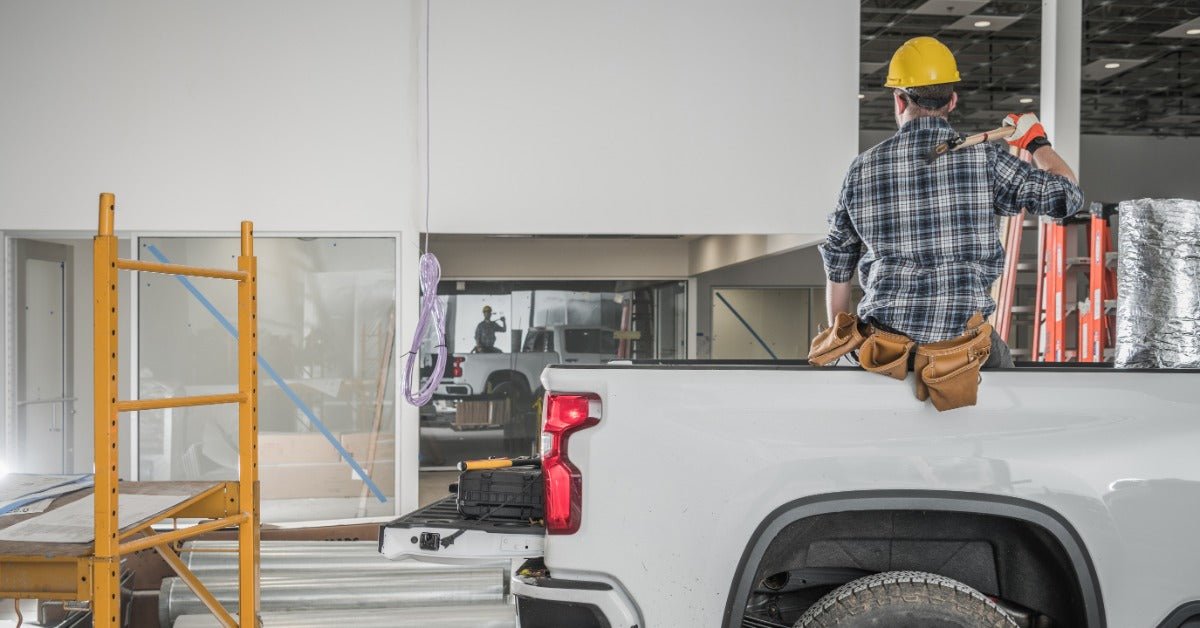
Work trucks rarely get the luxury of an easy day. Their beds may carry equipment and other cargo that can scrape, dent, stain, or otherwise damage an unprotected surface. When a truck is used regularly for demanding jobs, protecting the bed can help preserve its condition while making everyday use more practical.
That makes choosing bed liners for heavy-duty work trucks an important decision for owners who expect their vehicles to handle frequent loading and unloading. The right option depends on how the truck is used, the type of cargo it carries, exposure to the elements, and the level of upkeep the owner is prepared to handle.
Why Heavy-Duty Trucks Need Bed Protection
A work truck bed can experience repeated contact with hard, sharp, dirty, or abrasive materials. Even when cargo is loaded carefully, sliding equipment and shifting materials can gradually wear through a painted surface. Scratches and chips can leave metal exposed to moisture and other conditions that contribute to corrosion.
A bed liner creates a protective layer between the truck bed and the materials placed inside it. Depending on the product, that layer can help reduce scratching, scuffing, impact damage, and general wear. For trucks that earn their keep on jobsites or in busy shops, that protection can be valuable over years of use.
Bed protection can also make maintenance easier. Instead of worrying about every tool or piece of equipment touching the painted bed, owners have a surface designed with working conditions in mind.
Start With How the Truck Is Used
There is no single bed liner that is ideal for every work truck. A truck that transports hand tools and small equipment faces different demands than one regularly loaded with lumber, metal parts, landscaping materials, or heavy containers.
Consider both the weight and shape of typical cargo. Heavy objects can create impact concerns, while sharp edges may scrape the bed as materials move. Loose cargo can also shift during transportation and create repeated wear in the same areas.
Frequency matters as well. Occasional weekend use is different from loading and unloading a truck several times each day. The more demanding the workload becomes, the more important durability and proper application are when selecting a liner.

Understand the Main Types of Bed Liners
Truck owners generally have several approaches to bed protection, including coatings and fitted liners. Each offers different characteristics, so the best choice depends on the truck and its workload rather than simply selecting the thickest-looking option.
Coating-style liners are applied directly to a properly prepared truck bed. They create a protective surface that follows the contours of the bed and can cover areas that would otherwise remain exposed.
Fitted liners provide a separate physical barrier between cargo and the original bed surface. When considering this style, owners should pay attention to fit, movement, drainage, and whether debris or moisture can collect underneath.
Consider Resistance to Scratches and Abrasion
Abrasion is one of the biggest concerns for a working truck. Toolboxes, buckets, equipment, boxes, and materials can move against the bed every time the vehicle accelerates, brakes, or turns.
A liner intended for demanding use should be able to withstand the type of repeated contact the truck experiences. Durability becomes especially important when rough or irregular cargo is a normal part of the workload.
It is also worth considering how the liner will age. Heavy-duty protection should not only look durable when first installed; it should be suited to the ongoing wear associated with the truck’s actual use.
Think About Grip and Cargo Movement
A truck bed is more than a surface that needs protection. It also needs to function effectively when materials and equipment are being transported.
The texture of a bed liner can influence how easily cargo slides across the bed. A surface with added texture may help reduce movement for certain items, although cargo should still be secured appropriately for transportation.
Texture also affects loading and unloading. Owners who frequently slide materials into place may have different preferences from those carrying individual tools, containers, or equipment. Thinking about the entire work process can help narrow the choices.
Account for Weather and Moisture Exposure
Work trucks often spend significant time outside, which means bed protection may face rain, snow, sunlight, dirt, and changing temperatures. Trucks used in wet environments need protection that is suitable for regular exposure to moisture.
For owners specifically considering waterproof bed liners, product specifications and application requirements should be reviewed carefully. Water resistance depends on the liner system and whether it has been installed correctly, so following the manufacturer’s instructions is essential.
Owners should also inspect the bed periodically. Damage, worn areas, trapped debris, or other problems should be addressed before they have an opportunity to affect the surface underneath.

Surface Preparation Matters for Coating Performance
When a coating-style bed liner is used, preparation is a critical part of the process. Even a product designed for demanding conditions needs to be applied to a surface prepared according to its instructions.
Preparation requirements vary by product, which is why owners should follow the manufacturer’s directions rather than relying on a one-size-fits-all method. The truck bed may need cleaning, scuffing, masking, or other preparation before the coating is applied.
Rushing this stage can work against the goal of long-term protection. Taking time to prepare the surface properly gives the selected system the conditions it needs to perform as intended.
Look Beyond the Initial Appearance
Appearance matters, particularly for businesses that want work vehicles to remain presentable, but it should not outweigh practical performance. A liner needs to match the conditions the truck will actually encounter.
Think about durability, maintenance, cargo habits, weather exposure, and application requirements together. A product that fits these needs is more useful than one selected primarily because of appearance or a single feature.
Owners should also review product instructions before purchasing. Coverage, surface preparation, application conditions, cure times, and compatible materials can vary, and those details may affect whether a particular liner works for the planned project.
Match Bed Protection to the Workload
The best liner is one selected around the truck’s real working conditions. A lightly used pickup and a truck carrying equipment every day do not necessarily need the same level or type of protection.
That is why selecting the right bed liner for a hard-working truck starts with an honest look at cargo, frequency of use, exposure, maintenance expectations, and installation requirements. These practical considerations help owners choose protection suited to the demands placed on the vehicle.
A well-matched liner can help protect the truck bed from the repeated wear that comes with everyday work. By comparing available options carefully and following the manufacturer’s preparation and application instructions, truck owners can build a bed-protection setup that supports the way their vehicle is actually used.