

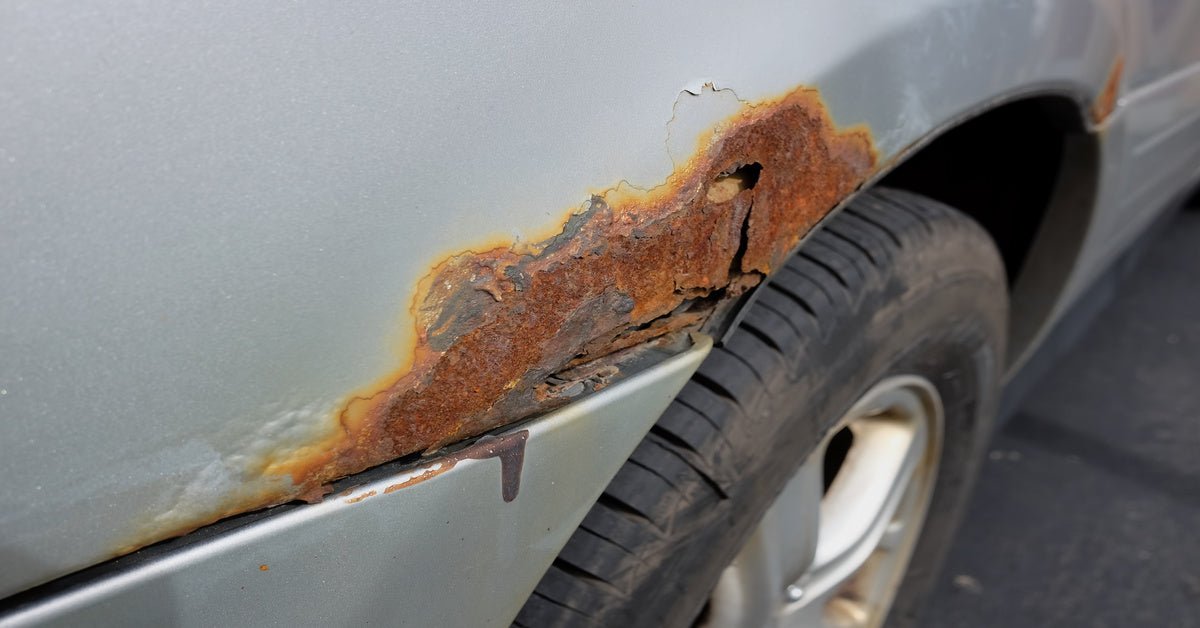
Rust is one of the most significant challenges that car owners face when it comes to maintaining the longevity and appearance of their vehicles. The damage rust can cause not only impacts the car's aesthetics but also undermines its structural integrity, so to combat this issue, rust-preventive paint is a critical solution in the automotive industry. But what makes this paint effective against corrosion? The answer lies in the blend of cutting-edge science and innovative chemical engineering. Learn the science behind rust-preventive paint for cars and protect your vehicle from avoidable deterioration.
Understanding Rust and Its Causes
Rust is the result of a chemical reaction between iron, oxygen, and moisture known as iron oxide formation. When a car’s exterior is exposed to water, oxygen in the air reacts with the iron in the metal, leading to the formation of rust. Over time, this process accelerates with the presence of road salt, high humidity, or acidic pollutants, causing the surface of the car to weaken and corrode. Rust may begin as a minor discoloration but can progress to significant damage if left untreated.
This is where rust-preventive paint comes into play as a vital barrier between your car’s metal components and the environmental elements that promote corrosion.

The Role of Rust-Preventive Paint
Rust-preventive paint serves a dual purpose of protecting and preserving, and unlike traditional automotive paints, this specialized coating contains ingredients designed to inhibit oxidation and block moisture from reaching the metal underneath. By forming a robust, adhesive layer over the car's surface, it acts as a shield against contaminants that contribute to corrosion. These paints are often formulated with extra durability to ensure long-lasting protection under a variety of environmental conditions, such as rain, snow, or salty coastal air.
Rust-preventive paint significantly extends a car’s lifespan. By preventing the metal body panels from deteriorating, it ensures that the car not only looks pristine but also retains its structural reliability.
The Chemistry Behind Rust-Preventive Paint
At the heart of rust-preventive paint is its chemical formulation, which is a blend of resins, pigments, solvents, and rust-inhibitive compounds. Resins like epoxy or polyurethane create a strong adhesion to the car’s surface, sealing it from moisture. Pigments, in addition to lending color, also improve the layer’s opacity, enhancing the paint’s coverage and blocking UV radiation.
The true magic, however, lies in the rust-inhibitive compounds, as these additives chemically neutralize the oxidation process, disrupting the chain reaction that leads to rust formation. Some paints include zinc-based additives, which undergo galvanic protection. Zinc sacrifices itself by reacting with oxygen and corroding in place of the iron, creating an additional layer of defense.
Solvents also play an essential role in ensuring that the paint spreads evenly and bonds securely to the surface. Once the paint dries, the solvents evaporate, leaving behind a hardened, protective shell that resists both physical and chemical wear.
Application Process and Effectiveness
For rust-preventive paint to be fully effective, proper application is critical. Before painting, the car’s surface must be prepped by cleaning off all dirt, grease, and existing rust. This often involves sanding down areas of rust and applying a primer specifically designed for rust prevention. Once the surface is ready, the rust-preventive paint is applied in multiple, even coats, allowing sufficient drying time between layers. This ensures a thick, durable barrier that provides maximum protection.
Automotive manufacturers and aftermarket users alike often test the effectiveness of rust-preventive paints under extreme conditions. These tests simulate salt spray, high humidity, and other corrosive environments to gauge how well the paint performs over time. High-quality rust-preventive paints consistently demonstrate long-term durability and resistance to environmental damage, proving their value as an investment for car owners.
Environmental Impact and Innovations
While rust-preventive paints are effective at protecting cars, their environmental impact has become a growing concern. Traditional paints often contain volatile organic compounds (VOCs), which, when released into the atmosphere, contribute to air pollution and health problems. Improper disposal of paint or runoff during application can contaminate soil and groundwater.
However, advancements in paint technology are addressing these issues. Many manufacturers are developing low-VOC or water-based formulas that retain the protective qualities of traditional rust-preventive paints while being significantly less harmful to the environment. Innovative nanoparticle coatings are emerging, designed to provide superior protection with minimal material usage, reducing waste and environmental impact.
A focus on sustainability in the automotive industry has inspired ongoing research into eco-friendly rust-prevention methods, ensuring that future rust-preventive paints not only safeguard vehicles but also contribute to a healthier planet.
Benefits Beyond Rust Prevention
While the primary purpose of rust-preventive paint is to stop corrosion, its benefits go far beyond that. For vehicle owners, it enhances the overall resale value of a car by preserving its appearance and functionality. For manufacturers, it reduces warranty claims and maintenance issues caused by premature rust damage.
Additionally, rust-preventive paints improve vehicle safety. Rust on critical components, such as the chassis or brake assemblies, can jeopardize the car’s performance and compromise passenger safety. By applying rust-preventive measures, these risks are significantly minimized, ensuring that vehicles remain safe to drive for years.

Choosing the Right Rust-Preventive Paint
With a variety of rust-preventive paints on the market, choosing the right one for your car involves considering factors such as durability, compatibility with your car's existing paint, and the environmental conditions in which the vehicle will be driven. Professional-grade paints may be more expensive but are often worth the investment due to their superior performance and longevity.
For DIY enthusiasts, clear instructions and proper tools are necessary to ensure optimal results. Consulting with automotive professionals or referring to manufacturer recommendations can help you make an informed choice.
A Lasting Solution to a Common Problem
Rust-preventive paint embodies the perfect blend of science and practicality, offering a long-term solution to one of the most common automotive problems. By understanding the science behind rust-preventive car paint, application process, and protective benefits, car owners can make informed decisions to safeguard their vehicles. Whether on the factory floor or in your garage, rust-preventive paint is an essential tool in the fight against corrosion, ensuring that cars remain roadworthy and beautiful well into the future.
If you want to protect your vehicle, Eagle National carries the rust-preventive paint products you need to keep your car in pristine condition. Don’t wait until your car starts showing signs of deterioration! Call us today and take the necessary steps to add that extra layer of security.