

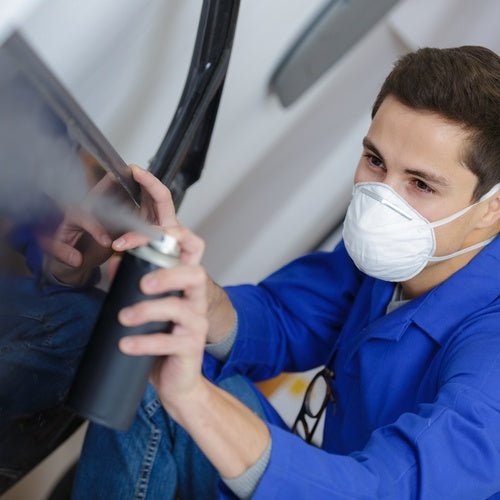
Aerosol paints are ideal for vehicle touch-ups and custom finishes due to their convenience and affordability. However, despite their ease of use, achieving a clean and professional finish can be challenging, especially when dealing with spattering and overspray. These issues not only ruin the appearance of the paintwork but can also lead to wasted material and extra clean-up. Fortunately, with the right techniques, preparation, and tools, you can significantly reduce the chances of these problems. We’ll break down how to avoid spattering and overspray with aerosol paints and the steps to ensure a smooth and precise paint job.

Preparation Is Key
The foundation of a flawless paint finish lies in meticulous preparation. Before you even touch the spray can, ensure the surface of the vehicle is clean, dry, and free of contaminants. Dirt, grease, or debris can interfere with paint adherence, so thorough cleaning using a degreaser or mild soap solution is essential. After washing, dry the surface completely and inspect it for imperfections such as rust, old paint flakes, or uneven surfaces that might affect the final outcome.
Next, sanding the area is crucial for achieving a smooth base for the paint to adhere to. Use different grits of sandpaper, starting from coarser sandpaper to remove imperfections and finishing with finer grits for a polished surface. After sanding, wipe the area with a clean, lint-free cloth to remove all residues, and tape off surrounding areas using painter’s tape to protect them from overspray.
Using a primer specifically designed for vehicles is a must before applying aerosol paint, as a primer ensures better adhesion, a smoother finish, and long-lasting results. Make sure to apply an even coat of primer and wait until it is fully dry before moving on to the paint application.
The Role of Technique in Reducing Spattering
Proper technique is vital when working with aerosol paints, as it directly affects the quality of the finish. One of the most common reasons for spattering is improper can handling. To prevent this, shake the spray can thoroughly before use; about one to two minutes is typically recommended for evenly mixing the paint and propellant. If the contents are not properly mixed, the paint may spray unevenly, resulting in splatters.
When painting, maintain a consistent distance of approximately 6-8inches between the can and the surface. Holding the can too close can lead to excessive paint application, causing dripping and spattering. On the other hand, holding it too far away can result in uneven coverage. Use smooth, even strokes, moving the can in a side-to-side motion. Always start spraying slightly off the surface and continue the motion off the edge of the area you’re painting to avoid buildup at the start or end of each stroke.
Another factor to consider is the angle of application. Holding the can at an inconsistent angle or tilting it too far can disrupt the spray pattern. Aim to keep the can as upright as possible to produce a steady, even coat.
Minimizing Overspray
Overspray occurs when the paint extends beyond the intended area, often settling on nearby surfaces as a fine mist. This can happen during any aerosol paint job, but can be mitigated with the right precautions. First, work in a controlled environment, such as a well-ventilated garage or spray booth, where airflow and wind are minimal. Painting outdoors on a windy day significantly increases the risk of overspray, as the paint particles can easily be carried away.
Masking properly is another effective way to reduce overspray. Use high-quality painter’s tape and masking paper to cover all areas of the vehicle that you don’t want to be painted. For larger areas, consider using plastic sheeting or drop cloths to shield surrounding surfaces. Ensure that all coverings are securely taped down to prevent them from moving or lifting during the spray process.
When applying paint, use short, controlled bursts rather than holding the nozzle down continuously. This gives you more control over the paint flow and prevents excessive overspray. Additionally, consider using spray can attachments or handles, which provide a steadier grip and improve precision.
The Importance of Environmental Factors
Environmental conditions play a significant role in the performance of aerosol paints; temperature, humidity, and air movement can all impact the way paint behaves. For optimal results, choose a day with moderate weather conditions. Ideally, the temperature should be between 60°F and 80°F, as extreme heat or cold can affect how the paint adheres and dries. High humidity levels can cause paint to dry more slowly, increasing the risk of drips and spattering.
To further control the environment, work in a space that is free from dust and contaminants. Using floor mats or wetting the floor slightly before painting can reduce the amount of airborne dust that may settle on your fresh paint. Proper ventilation is also essential, as it prevents the buildup of fumes and ensures that the paint dries evenly.
Choosing the Right Tools and Products
Investing in quality tools and paints can make a noticeable difference in avoiding spattering and overspray when dealing with aerosol paints. Not all aerosol paints are created equal, so opt for products specifically designed for automotive applications. High-quality automotive aerosol paints often have superior spray nozzles that produce finer, more even sprays, reducing the likelihood of splattering.
Spray can attachments, such as trigger handles or specialty nozzles, can also enhance your control and precision. These accessories are especially useful for larger paint jobs, where maintaining a steady hand throughout the process can be challenging. Having the right safety equipment, such as gloves, goggles, and respirators, ensures a safe working environment and minimizes exposure to harmful fumes.
Finishing Touches
Once the paint application is complete, allow sufficient time for it to dry, so avoid touching or handling the surface while it is drying to prevent smudges or fingerprints. After the paint has dried completely, inspect the area for any imperfections. If necessary, lightly sand any rough spots and apply an additional coat of paint to achieve a seamless finish.
Finally, consider applying a clear coat for added durability and shine. Clear coats enhance the appearance of the paint job while providing protection against scratches, UV rays, and other environmental factors.

Practice Makes Perfect
Mastering aerosol paint techniques requires practice and patience. If you’re new to using spray paints for vehicles, consider practicing on spare panels or scrap metal before working on your vehicle. This allows you to familiarize yourself with the spray can’s behavior and refine your technique without the risk of mistakes on your car.
By focusing on preparation, maintaining proper technique, and using the right tools, you can avoid spattering and overspray while achieving professional-grade results with aerosol paints. With a little attention to detail and practice, even DIY painters can achieve clean, precise, and attractive finishes.