

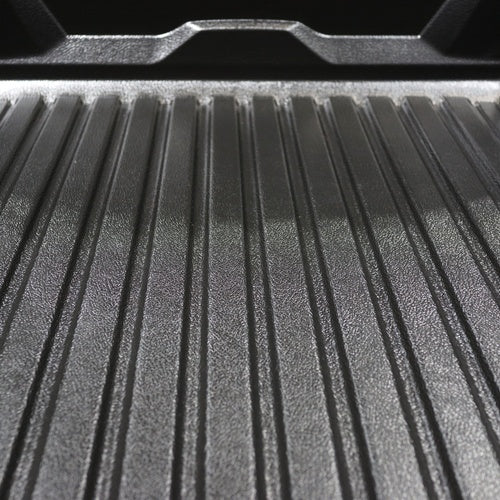
Prepping your truck bed for liner application is a crucial step to ensure durability, protection, and a professional-quality finish. Whether you're protecting your truck from the wear and tear of hauling heavy loads, exposure to weather, or chemical spills, correct preparation sets the foundation for a long-lasting and effective truck bed liner. Ensure you understand the detailed process of knowing how to prep a truck bed for liner application.
Benefits of a Truck Bed Liner
Applying truck bed liners provides numerous benefits, making it an essential investment for truck owners. First and foremost, a bed liner protects the truck bed from scratches, dents, and other damage caused by heavy cargo or daily wear and tear. This not only preserves the truck's appearance but also extends its overall lifespan and resale value.
Bed liners prevent issues like rust and corrosion by creating a protective barrier against moisture, UV rays, and harsh chemicals. Many liners also enhance grip, reducing the risk of cargo slipping or shifting during transit, which improves safety and minimizes damage to both the truck and its load. Furthermore, a well-applied truck bed liner can muffle vibrations and reduce noise, making for a quieter ride. With its durability and functional advantages, a truck bed liner enhances both the performance and aesthetics of any truck.

Why Proper Preparation Matters
Applying a truck bed liner without proper preparation can result in poor adhesion, uneven textures, and compromised durability.
Dirt, rust, and old coatings can prevent the liner from properly bonding with the metal surface, leading to flaking, peeling, or bubbling over time. Preparation ensures not only a smooth surface but also optimal adherence, enhancing the liner's ability to protect against impact, corrosion, and abrasion.
Assessing the Condition of the Truck Bed
The first step in the preparation process is evaluating the condition of your truck bed, so begin by inspecting for rust spots, dents, or scratches. If rust is present, it may need more than just sanding; severe rust could require replacement or patching of the damaged areas.
You should also address dents or scratches to guarantee a uniform liner application. Cleaning off loose debris and taking note of areas that need extra care will help streamline the rest of the process.
Cleaning the Truck Bed Thoroughly
A clean truck bed is essential before moving forward, as dirt, grease, and grime can affect the adhesion of the liner material. Wash the entire surface using a strong degreaser and cleaning solution.
Use a scrub brush or sponge to remove any stubborn stains. If there is grease build-up, an automotive cleaner designed to break down oils is recommended. Rinse thoroughly with water and ensure the bed is completely dry before proceeding to the next step.
Removing Old Coatings and Sanding the Surface
To allow the liner to bond securely, you’ll need to strip off any old coatings, including paint or prior liners. This involves sanding the truck bed with medium-grit sandpaper or using an orbital sander for quicker results.
The goal is not to remove all the paint but to scuff the surface enough to create a rough texture for the liner to adhere to. Focus on corners, edges, and difficult-to-reach areas to ensure no smooth or glossy surfaces remain. After sanding, vacuum or wipe away dust with a tack cloth to keep the area clean.
Masking Off Areas for Precision
For a professional-grade application, masking off areas not meant to be coated is vital. Use painter’s tape and plastic sheeting to cover the edges of your truck bed, bolts, tie-downs, and any other areas where the liner should not be applied.
This step will protect these sections during application and make the final result look neat and evenly applied. Take your time with masking to avoid accidental spraying or rolling onto unintended surfaces.
Addressing Rust and Repairing Damaged Areas
Before applying the liner, rusted or damaged areas need attention. For minor rust, sanding and cleaning the surface may suffice. For deeper rust, you may need to use a rust converter product that stops and seals the corroded area.
If your truck bed has larger damages, such as holes or weak spots, using a patch kit or welding may be required to ensure the integrity of the surface. These repairs are necessary to prevent any issues that could compromise the durability of the liner or the truck bed itself.
Priming for Better Adhesion
While some liner products don’t require priming, using a primer can significantly enhance the adhesion and longevity of the liner. A self-etching primer designed for automotive surfaces is a great choice for this step.
Apply the primer evenly across the prepared truck bed using a brush or spray. Give it time to dry, making sure to follow the specific manufacturer’s instructions before proceeding to the liner application.
Checking the Weather Conditions
Environmental factors can make or break the application process of a truck bed liner. Ensure you prep your truck bed on a day with suitable weather conditions.
Extreme heat, extreme cold, and high humidity can all interfere with how the liner material dries and adheres. A well-ventilated, dust-free environment with moderate temperatures is ideal for prepping and applying a liner.
Final Cleaning and Inspection
Before applying the liner, conduct a final cleaning session to remove any dust, debris, or oil left behind during the preparation process. Use a lint-free tack cloth or alcohol-based cleaner to ensure the surface is completely clean.
Examine the entire truck bed for consistency in sanding, repairs, masking, and cleanliness. Any overlooked areas at this stage could result in imperfections that are visible after the liner is applied. Taking your time during this final inspection will minimize errors and ensure a seamless application.

Getting Your Materials and Tools in Order
Ensure all materials and tools required for the liner application are ready. This includes the truck bed liner kit, application tools (e.g., rollers, brushes, or spray guns), protective gloves, a mask, and your prepared truck bed. Having everything within reach will streamline the application process and allow you to focus on achieving the best results.
The Path to a Durable and Dependable Truck Bed Liner
Prepping your truck bed for liner application may require time and attention to detail, but it is worth the effort for the long-lasting protection it provides. By following the necessary steps, you ensure the liner will adhere correctly and deliver superior performance. A well-prepared truck bed showcases not only a visually appealing finish but also enhanced strength and resistance to wear, extending the lifespan of your truck bed for years to come.