

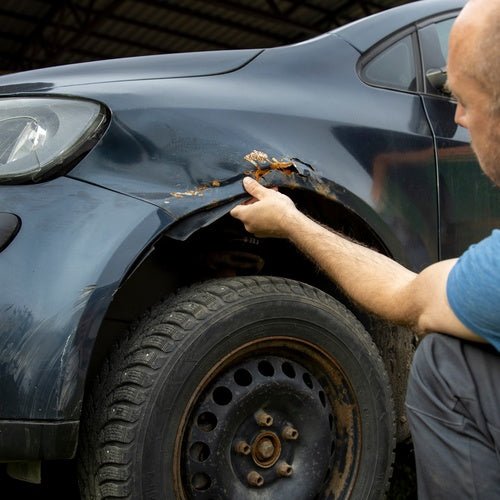
Rust is one of the most common challenges in automotive refinishing, especially when surfaces are not properly prepared before paint is applied. Using a color primer correctly can make the difference between a finish that lasts for years and one that quickly deteriorates. Understanding how primers function and how they protect metal surfaces is essential for anyone working on vehicle restoration or repair.
We’ll cover some color primer tips and how to prevent rust before painting so you can create a durable, long-lasting finish that stands up to environmental exposure.
Why Rust Forms Before Painting
Rust begins when bare metal is exposed to oxygen and moisture. Even small amounts of humidity can trigger oxidation, especially if the surface has not been sealed. Once rust starts, it can spread beneath paint layers, causing bubbling, peeling, and structural weakening.
Primer plays a critical role in stopping this process before it begins. It creates a barrier between the metal and environmental elements, reducing the chance of corrosion forming underneath your paint job. Without proper priming, even high-quality paint cannot fully protect the surface.
The Role of Color Primers in Rust Prevention
Color primers do more than just prepare a surface for paint adhesion. They also provide an additional layer of protection by sealing the substrate and preventing contaminants from reaching the metal.
Unlike basic primers, color primers help with coverage and consistency. They allow for better color matching and reduce the number of paint coats required. This added efficiency also minimizes exposure time, which can otherwise increase the risk of rust formation during the painting process.
Using the right primer ensures that the surface remains stable and protected, especially in environments where moisture and temperature changes are common.

Surface Preparation: The Foundation of Protection
Before applying any primer, proper surface preparation is essential. Even the best primer cannot perform effectively if applied over dirt, grease, or existing rust.
Start by thoroughly cleaning the surface to remove contaminants. Sanding is equally important, as it eliminates rust and creates a texture that allows the primer to bond effectively. If rust is already present, it must be completely removed or treated before moving forward.
A clean and properly prepared surface allows the primer to form a strong seal. This step is often overlooked, but it is one of the most important factors in preventing future corrosion.
Choosing the Right Color Primer
Not all primers are designed for rust prevention, so selecting the right type is key. Epoxy primers are often preferred because they provide excellent adhesion and moisture resistance. They create a non-porous layer that blocks water from reaching the metal.
Etching primers are another option, particularly for bare metal surfaces. They contain acids that help the primer bond more effectively, reducing the likelihood of rust forming underneath.
Color choice also matters. Using a primer that closely matches the topcoat can improve coverage and reduce the number of layers needed. This not only saves time but also enhances the durability of the final finish.
Application Techniques That Reduce Rust Risk
Applying primer correctly is just as important as choosing the right product. Even coverage ensures that no areas are left exposed, which could allow moisture to penetrate.
Thin, even coats are recommended instead of heavy applications. Thick layers can trap solvents and lead to improper curing, which weakens the protective barrier. Allowing adequate drying time between coats ensures that the primer forms a solid, consistent layer.
Environmental conditions should also be considered. Applying primer in a controlled space with low humidity helps prevent moisture from interfering with the curing process. This creates a stronger seal and improves overall performance.
Sealing and Layering for Maximum Protection
Once the primer has been applied, additional layers can further enhance rust prevention. Sealers are often used between primer and paint to lock in the base layer and create a smooth surface for topcoat application.
Layering systems are especially effective in high-risk environments where vehicles are exposed to road salt, rain, or fluctuating temperatures. Each layer adds another level of defense, reducing the chance of corrosion over time.
Using products designed to work together ensures compatibility and maximizes the effectiveness of the entire system. This approach provides a more reliable and long-lasting finish.
Common Mistakes That Lead to Rust
Even with quality materials, certain mistakes can compromise rust prevention efforts. Skipping surface preparation is one of the most common issues. Applying primer over contaminants prevents proper adhesion and allows rust to develop underneath.
Another mistake is rushing the process. Not allowing sufficient drying time between coats can weaken the protective barrier and lead to premature failure. Similarly, applying primer in poor environmental conditions can introduce moisture into the coating.
Using incompatible products can also create problems. Ensuring that primers, sealers, and paints are designed to work together helps avoid issues that could lead to corrosion.
Enhancing Protection with Additional Products
In some cases, adding extra protection can further reduce the risk of rust. Products like car rust prevention spray can be used in areas that are difficult to coat with traditional primers, such as seams and hidden surfaces.
These products complement the primer by providing targeted protection in vulnerable areas. When used correctly, they help create a more comprehensive defense against moisture and oxidation.
Combining multiple protective methods ensures that every part of the surface is covered, reducing the likelihood of rust forming over time.

Long-Term Benefits of Proper Priming
Taking the time to apply primer correctly offers significant long-term benefits. A properly primed surface resists corrosion, maintains its appearance, and extends the life of the paint job.
This approach also reduces the need for frequent repairs. Addressing rust after it has formed is often more time-consuming and costly than preventing it in the first place. By focusing on preparation and protection, you can avoid many common issues associated with corrosion.
Consistent results are another advantage. Following proven techniques ensures that each project meets the same high standard, regardless of the vehicle or environment.
Reframing the Approach to Rust Prevention
Understanding the importance of primer shifts the focus from simply applying paint to building a complete protective system. In this context, color primer tips for stopping corrosion before applying paint become an essential part of any refinishing process.
This perspective emphasizes preparation, product selection, and application techniques as key factors in achieving long-lasting results. By treating primer as a critical component rather than a preliminary step, you can significantly improve the durability of your work.
Eliminate the Risk of Rust
Rust prevention starts long before the paint is applied. Every step, from surface preparation to primer selection and application, plays a role in protecting the metal beneath. Taking a methodical approach ensures that each layer contributes to a strong and lasting finish.
By following these guidelines, you can reduce the risk of corrosion and achieve better results with every project. Whether working on a small repair or a full refinishing job, focusing on proper priming techniques makes a noticeable difference in both appearance and longevity.