

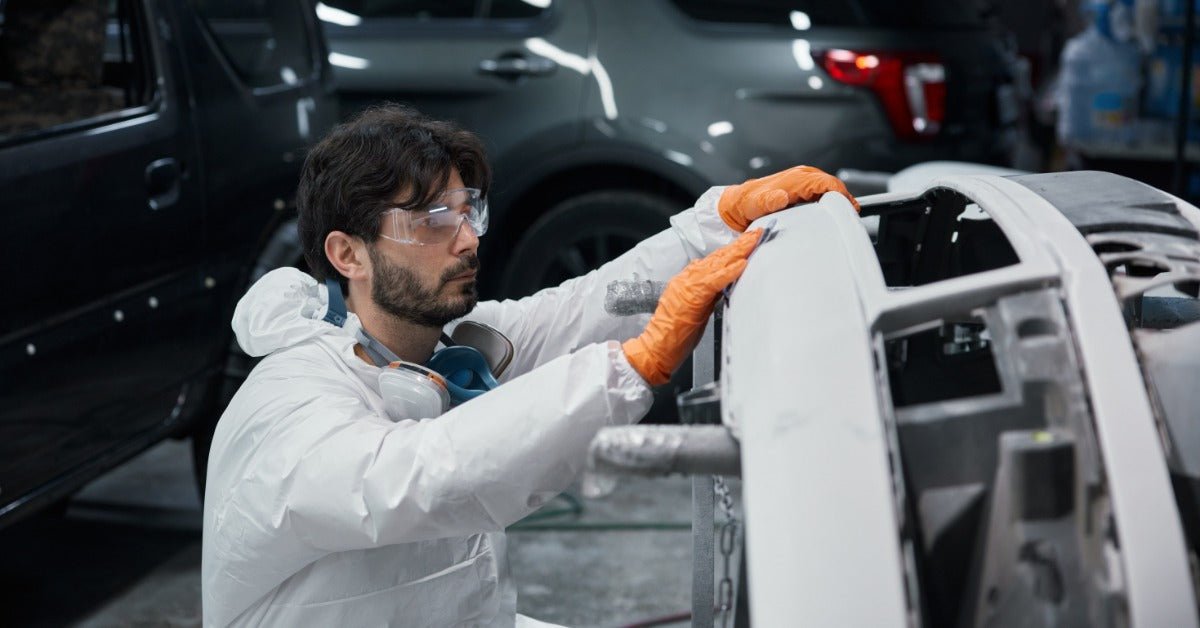
Working in auto body and paint environments means exposure to chemicals, airborne particles, and fine overspray that can affect both short-term comfort and long-term health. Choosing the right protective equipment is not just about compliance; it directly impacts the quality of your work and your safety on the job. Whether you are a DIY enthusiast or running a busy shop, understanding how to select the right PPE for auto body and paint jobs is essential for creating a safer and more efficient workspace.
Understanding the Risks in Auto Body and Paint Work
Auto body and paint jobs involve a mix of hazards that are not always visible. Paint fumes, sanding dust, and chemical exposure can build up quickly, especially in enclosed areas. Even short-term exposure without proper protection can lead to irritation, while long-term exposure may result in more serious health concerns.
Temperature and ventilation also play a role in how these hazards affect you. Warmer environments can increase the intensity of fumes, while poor airflow allows contaminants to linger. This is why PPE should always be selected with both the materials you are using and the environment you are working in mind.
The Importance of Proper Respiratory Protection
Respiratory protection is one of the most critical components of PPE in paint work. Not all masks offer the same level of protection, and choosing the wrong type can leave you exposed to harmful vapors and particles. A properly fitted respirator designed for paint applications helps filter out hazardous substances before they are inhaled.
Fit and seal are just as important as the type of respirator you choose. Even high-quality equipment will not perform well if it does not sit correctly on your face. Taking the time to ensure a proper fit can make a significant difference in both safety and comfort during extended use.

Protecting Your Skin from Chemicals and Overspray
Skin exposure is often overlooked, but it plays a major role in overall safety. Paint products and solvents can irritate or damage the skin, especially with repeated contact. Wearing the right protective clothing creates a barrier that prevents direct exposure.
This is where automotive paint suits come into play. These suits are designed to keep contaminants off your skin while also reducing the risk of lint or debris affecting your finish. Choosing a suit that balances protection with breathability helps maintain comfort during long work sessions.
Choosing the Right Gloves for the Job
Gloves are another essential piece of PPE that should not be treated as one-size-fits-all. Different materials offer varying levels of resistance to chemicals and punctures. Selecting gloves that are compatible with the products you are using ensures better protection and durability.
Comfort and flexibility are also important factors. Gloves that restrict movement can affect your precision, especially during detailed work. Finding the right balance between protection and dexterity allows you to work efficiently without compromising safety.
Eye and Face Protection Considerations
Your eyes are highly sensitive to both airborne particles and chemical splashes. Proper eye protection helps prevent irritation and potential injury during sanding and cleaning processes. Clear visibility is just as important as protection, as it directly impacts the quality of your work.
Face protection can also be necessary depending on the task. In situations where there is a higher risk of splashes or debris, adding an extra layer of coverage helps reduce exposure. Choosing gear that fits well and does not fog easily will improve both safety and usability.
Comfort and Fit Matter More Than You Think
PPE is only effective if it is worn consistently, and comfort plays a big role in that. Equipment that feels restrictive or causes discomfort is more likely to be adjusted frequently or removed altogether. This increases the risk of exposure over time.
Selecting PPE that fits properly and allows for movement helps ensure it stays in place throughout the job. Adjustable features, breathable materials, and lightweight designs all contribute to a better overall experience. When PPE feels natural to wear, it becomes part of your routine rather than a burden.

Matching PPE to the Specific Task
Not every auto body or paint job requires the same level of protection. The type of work you are performing should guide your PPE choices. For example, sanding tasks may require more focus on dust protection, while painting applications demand stronger vapor resistance.
Taking a task-specific approach allows you to build a PPE setup that covers all potential risks without overcomplicating your workflow. This also helps you avoid unnecessary wear on equipment by using the right gear for the right job.
Maintaining and Replacing PPE
Proper maintenance is just as important as selecting the right equipment. Over time, PPE can lose its effectiveness due to wear and exposure. Regular inspection helps identify when items need to be cleaned or replaced.
Reusable equipment should be stored correctly to prevent contamination between uses. Disposable items should be changed as recommended to maintain consistent protection; staying on top of maintenance ensures your PPE continues to perform as expected.
Building a Reliable PPE Setup
Creating a reliable PPE setup involves more than just purchasing individual items. It requires understanding how each piece works together to provide complete protection. From respiratory gear to protective clothing, every component plays a role in keeping you safe.
When you take the time to evaluate your needs and choose equipment accordingly, you create a safer and more efficient workspace. This approach not only protects your health but also supports better results in your work.
Protect Yourself
Choosing the right protective equipment is a key part of any successful auto body or paint project. By understanding the risks, focusing on proper fit, and selecting gear suited to your specific tasks, you can create a safer working environment without sacrificing efficiency.
Taking a thoughtful approach to PPE ensures that you are prepared for the demands of the job. Whether you are working occasionally or every day, knowing how to choose proper protective equipment for automotive refinishing tasks helps you stay protected while maintaining high-quality results.