

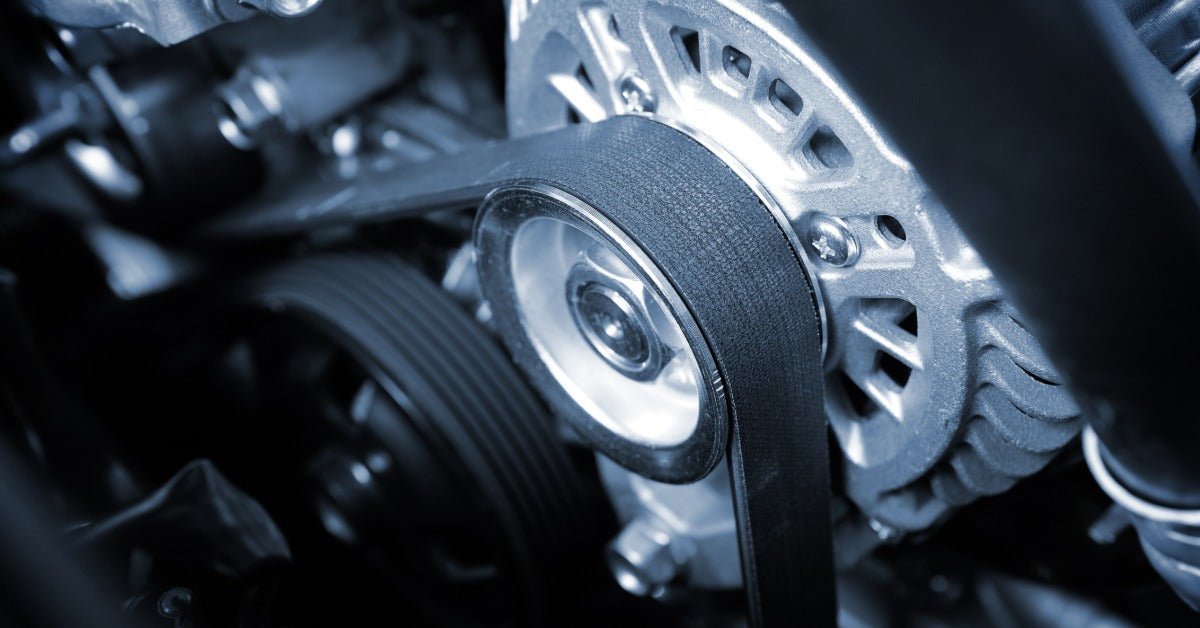
Modern engines rely on precision, and few components are as critical to that precision as the timing belt. When functioning properly, it synchronizes internal engine movements to ensure smooth performance. However, one often overlooked risk to its longevity is chemical exposure. Protecting your timing belts and having solvent sensitivity explained is necessary for anyone working with automotive components.
What Timing Belts Are Made Of
Timing belts are engineered for durability, but they are not immune to environmental stressors. Most are constructed from reinforced rubber compounds, often combined with materials like fiberglass or Kevlar for added strength. These materials allow the belt to withstand high temperatures and constant motion.
Despite this resilience, rubber-based components remain vulnerable to certain chemicals. Solvents, oils, and cleaners can break down the structure of the belt over time. Even small amounts of exposure can lead to gradual deterioration that isn’t immediately visible.
This is why awareness of surrounding materials and products is essential. The belt itself may be hidden, but its environment plays a major role in how long it lasts.

How Solvents Affect Timing Belts
Solvents are designed to dissolve, thin, or remove substances, which makes them useful in many automotive applications. However, that same chemical activity can become a problem when it comes into contact with rubber components.
When a timing belt is exposed to solvents, the rubber can begin to soften or swell. This weakens the internal structure and reduces the belt’s ability to maintain proper tension. Over time, the belt may crack, stretch, or lose its grip on pulleys.
In more severe cases, solvent exposure can cause delamination, where the layers of the belt begin to separate. This significantly increases the risk of failure while the engine is running. Because timing belts operate under constant stress, even minor weakening can lead to major issues.
Signs of Solvent Damage
Identifying solvent-related damage early can prevent more serious problems. While timing belts are not always visible without disassembly, there are still warning signs to watch for.
A belt that has been exposed to solvents may appear glossy or unusually soft. Cracks, fraying, or uneven wear can also indicate chemical degradation. In some cases, there may be a noticeable odor coming from the affected area.
Performance issues can also signal a problem. If the belt begins to slip or lose tension, it can disrupt engine timing. This may result in rough operation or difficulty starting.
Because these signs can develop gradually, regular inspection is key. Catching the issue early makes it easier to address before it leads to failure.
Why Prevention Matters
Timing belt failure is not a minor inconvenience. In many engines, a broken belt can cause internal components to collide, leading to significant damage. This type of repair can be costly and time-consuming.
Preventing solvent exposure is one of the simplest ways to extend the life of the belt. Unlike wear from normal use, chemical damage is often avoidable. By taking a few precautions, you can reduce the risk significantly.
It’s also important to consider that solvent damage may not be covered under standard maintenance expectations. This makes prevention even more valuable from both a practical and financial standpoint.
Best Practices for Avoiding Damage
Creating a safe working environment is essential when handling chemicals around engine components. Being mindful of where and how products are used can make a significant difference.
When cleaning an engine bay, it’s important to apply products carefully and avoid direct contact with belts and other rubber parts. Using controlled application methods, such as targeted sprays or cloths, helps limit exposure.
Covering sensitive components during cleaning can provide an added layer of protection. This is especially useful when working with stronger chemicals that have a higher risk of causing damage.
Proper storage of solvents is also important. Keeping containers sealed and away from open engine areas reduces the chance of accidental spills or vapor exposure.
The Role of Proper Product Selection
Not all cleaning or thinning products are created equal. Some are formulated to be less aggressive and more compatible with a wider range of materials; choosing the right products can help minimize risk.
Reading labels and understanding product composition is an important step. If a product is known to affect rubber or similar materials, it should be used with extra caution.
In many cases, there are alternative products available that achieve the same result with less risk. Taking the time to select the right option can help protect not only timing belts but other components as well.

Maintenance and Inspection Tips
Regular maintenance plays a key role in identifying and preventing issues related to solvent exposure. Even if no immediate problems are visible, routine checks can reveal early signs of wear.
Inspecting the belt for changes in texture, color, or flexibility can provide valuable insight. Any unusual characteristics should be taken seriously and addressed promptly.
It’s also helpful to keep track of the products used during maintenance. If a particular cleaner or solvent has been applied near the belt, it may be worth scheduling a follow-up inspection.
By staying proactive, you can catch potential problems before they develop into more serious concerns.
Long-Term Impact of Chemical Exposure
The effects of solvent exposure are not always immediate. In many cases, the damage occurs gradually, weakening the belt over time. This makes it difficult to connect the issue to a specific event.
Repeated exposure, even in small amounts, can accelerate the aging process of the belt. What might seem like minor contact can add up, leading to premature failure.
Understanding this long-term impact reinforces the importance of prevention. Avoiding exposure altogether is far more effective than trying to address damage after it occurs.
A Practical Approach to Belt Protection
Taking a practical approach to maintenance means considering all factors that can affect component lifespan. While wear and tear are inevitable, chemical exposure is largely within your control.
Understanding solvent sensitivity in timing belts helps create better habits and safer work environments. From product selection to application methods, each decision plays a role in protecting critical components.
By focusing on prevention and awareness, you can extend the life of your timing belt and reduce the risk of unexpected issues. This approach not only saves time and money but also supports more reliable performance over the long term.
Whether you work professionally in an automotive shop or just like to do work on your own car, Eagle National is here to provide you with the best automotive repair supplies you need. Whether that’s automotive thinners or other restorative items, give us a call today to find out more abut what we offer.