

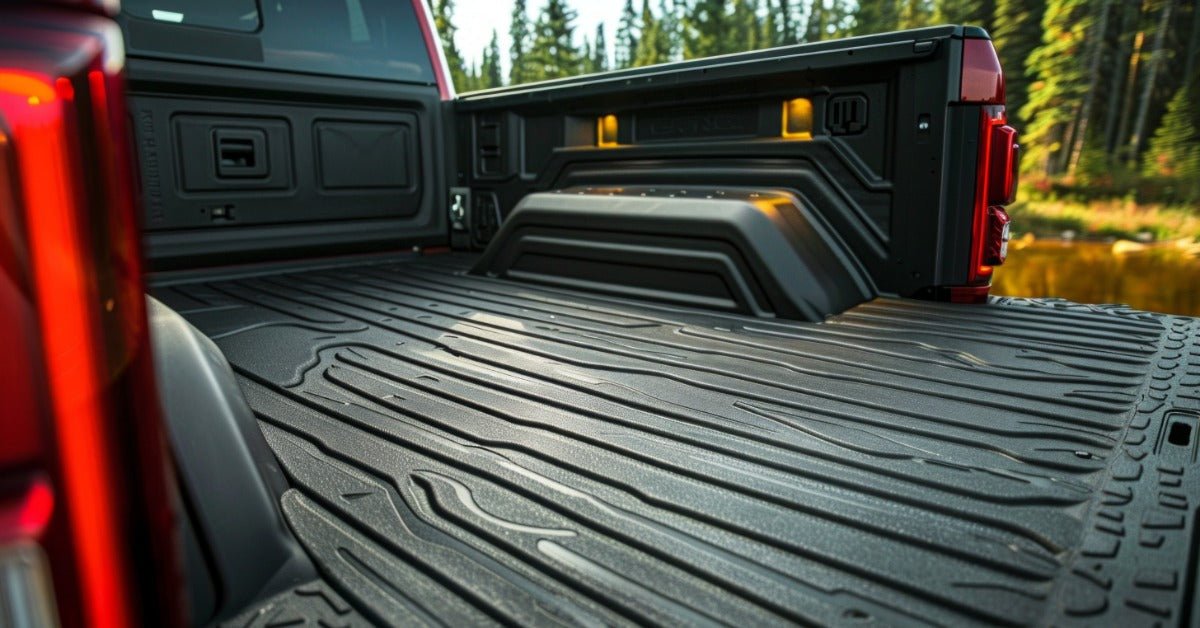
A pickup truck earns its keep by carrying equipment, lumber, landscaping materials, and whatever else the day demands. That usefulness also puts its bed at risk of scratches, dents, moisture exposure, and worn paint. When the time comes to sell or trade the truck, buyers often notice how well that hard-working area has held up. This raises a practical question: can bed liners help preserve truck resale value? A liner cannot guarantee a higher offer, but it can help protect the condition that buyers evaluate.
Resale value depends on several factors, including age, mileage, maintenance history, market demand, and overall condition. Bed protection is only one part of that picture. Still, keeping a truck bed presentable may help avoid damage that becomes a negotiating point during a sale.
Why Truck Bed Condition Matters to Buyers
A truck bed is a highly visible working surface. Deep gouges, exposed metal, peeling coatings, and rust can suggest heavy use or deferred care, even when the truck runs well. Buyers may also wonder whether visible damage hides additional problems around seams, corners, and drainage areas.
A clean, sound bed gives shoppers fewer immediate concerns. In a competitive used-truck market, first impressions can influence whether someone schedules a closer look or moves on to another listing. That makes straightforward cosmetic care worthwhile even when it does not change a formal appraisal. That does not mean a lined bed is automatically worth more than an unlined one. It means visible protection and documented upkeep can support the impression that the owner cared for the vehicle. For buyers planning to haul materials, a durable bed surface can also be a practical convenience.
How Bed Liners Protect Against Everyday Wear
Loading and unloading cargo can scrape factory paint, especially when rough materials slide across the floor. Bed liners provide a sacrificial or protective surface between cargo and the underlying finish. Depending on the liner type and installation, that barrier may reduce routine scuffs and abrasion.
Protection matters because damaged paint can leave steel vulnerable to corrosion when moisture and road salt reach exposed areas. A properly prepared and applied coating may help limit direct exposure. However, a liner is not a substitute for repairing existing rust, and poor installation can trap moisture where damage goes unnoticed. Regular inspections remain important. The bed also needs clear drainage paths so standing water does not linger after rain or washing. Pay particular attention to edges where coatings meet exposed hardware or factory finishes.

Spray-On Liners Versus Drop-In Liners
Spray-on liners bond to the prepared bed surface and form a textured coating. They can cover contours, corners, and wheel wells when applied correctly. Their finished appearance can be appealing, but preparation, product compatibility, coating thickness, and curing conditions all affect performance.
Drop-in liners are molded inserts that sit inside the bed. They can shield against impacts and are often removable, which makes checking the metal underneath easier. Movement, trapped debris, or water beneath an insert can create wear if the bed is neglected. Neither approach is automatically better for resale; installation quality and ongoing care make a meaningful difference.
Does a Liner Increase a Truck’s Resale Price?
There is no dependable dollar amount that every truck owner can expect to recover from installing a bed liner. Appraisals vary by vehicle, region, buyer preferences, and current market conditions. Some buyers may value a protected bed, while others may be more concerned with mechanical condition, service records, and accident history.
A more realistic goal is preserving condition rather than expecting a direct return on the installation cost. Preventing visible wear and corrosion can reduce reasons for a buyer to request a discount. A neat liner may also make a used truck easier to present, provided the coating is intact and does not appear to conceal damage.
Choosing and Applying a Liner Carefully
Owners considering a truck bed liner spray kit should start with the product instructions and the condition of the bed. Surface cleaning, rust removal where needed, masking, and proper abrasion are often essential preparation steps. Coating over dirt, loose paint, or active corrosion can undermine adhesion and create problems later.
Application conditions matter as well. Temperature, ventilation, protective equipment, mixing requirements, and cure times vary by product. Follow the manufacturer's technical information rather than assuming one coating works like another. If the bed has substantial rust, damage, or previous coating failures, address those issues before applying a fresh layer.
Maintenance Still Makes the Difference
Even a well-applied liner needs attention. Sweep out gravel and debris, wash away road salt and chemicals promptly, and inspect high-wear spots after hauling abrasive loads. Check seams, corners, tailgate edges, and areas where water may collect. Small chips or coating defects should be evaluated and repaired according to the product guidance.
Avoid assuming that a textured surface hides every problem. Rust can develop at exposed edges or beneath compromised coatings. For removable liners, lift the insert periodically when practical and inspect the painted bed below. Consistent care helps the liner continue doing the job it was installed to do.

What to Consider Before Selling or Trading In
Before listing a truck, clean the bed thoroughly and inspect the liner in good light. Remove loose cargo, check for lifting or cracked areas, and address repairable defects without covering up damage. Honest photos showing the bed floor, wheel wells, and tailgate help potential buyers judge its condition.
Keep receipts for liner installation, coating products, and related repairs when available. Documentation can help explain when the work was done and what materials were used. It will not replace an inspection, but it may give buyers more confidence than an unsupported claim that the bed has always been protected.
The Bottom Line on Bed Liners and Resale Value
For owners asking whether a bed liner can help maintain a truck’s resale value, the strongest answer is that protection may support resale by limiting wear, not by guaranteeing a higher price. The condition of the bed matters, but it is only one part of the vehicle's overall appeal. A liner that is installed correctly, inspected regularly, and maintained over time is more useful than one treated as a permanent fix.
If you are preparing a truck for years of work, consider the loads you carry, your budget, and the amount of upkeep you can provide. Eagle National Supply offers automotive refinishing and rust-prevention supplies for owners planning protection and repair projects. Choose products suited to the job, follow their instructions, and keep the underlying metal in good condition.