

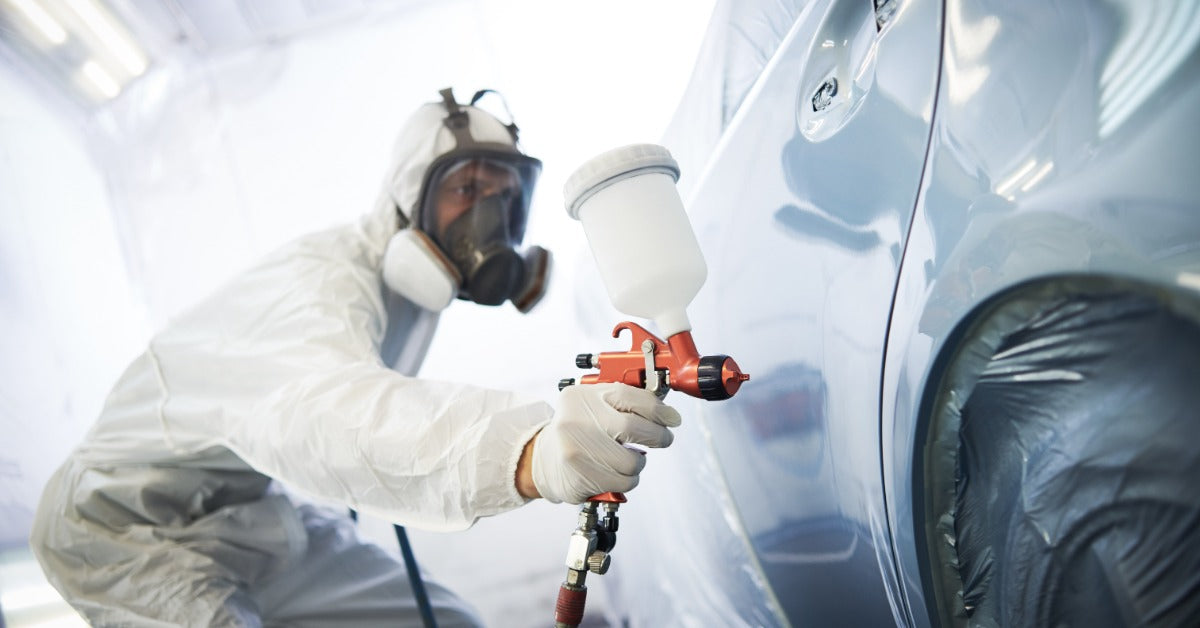
A quality paint finish depends on more than spray technique, surface preparation, and the right coating. The people working inside a paint booth also need protection from airborne materials, splashes, noise, and everyday shop hazards. Understanding paint booth safety gear professionals depend on helps painters build safer routines without treating protective equipment as an afterthought. The right choices begin with the coating being sprayed, the booth conditions, and the instructions supplied with each product.
Respiratory Protection Comes First
Spraying automotive coatings can release fine particles and hazardous vapors that should not be inhaled. Some two-component coatings contain isocyanates, which can cause serious respiratory sensitization and other health effects. A booth's ventilation helps control exposure, but it does not automatically eliminate the need for respiratory protection. Painters should review the coating's safety data sheet and follow applicable workplace requirements before selecting equipment.
For spraying products containing isocyanates, supplied-air respiratory protection is often required by the applicable safety guidance and workplace exposure assessment. An ordinary dust mask is not suitable for paint vapors, and a cartridge respirator should never be assumed adequate for every coating. Respirator programs also address medical evaluation, fit testing where required, training, inspection, and maintenance. Workers need to know the limitations of their equipment before entering the booth.
A respirator also needs to be used within its approved operating conditions. Air supply quality, hose condition, and correct connections matter for supplied-air systems. If equipment fails or airflow changes unexpectedly, stop spraying and follow the facility's exit and emergency procedures.

Protective Paint Suits and Coveralls
A paint suit provides a barrier between the painter's clothing and overspray while helping keep loose fibers away from a fresh finish. Look for garments designed for spray-finishing work, with coverage appropriate to the materials being handled. Hooded designs and fitted cuffs can reduce exposed areas, although garment compatibility matters more than appearance.
Disposable coveralls may be practical when contamination is likely or cleaning reusable garments is difficult. Reusable suits require regular inspection and care according to the manufacturer. Torn seams, damaged closures, and heavily contaminated fabric are reasons to replace or remove a garment from service. Protective clothing should be selected using the coating's safety information rather than assuming every suit resists every chemical.
Gloves That Match the Chemicals
Hands are exposed during mixing, equipment cleaning, masking, and spraying. Chemical-resistant gloves help limit contact with coatings and solvents, but glove materials vary widely in their resistance and breakthrough times. The safety data sheet and glove manufacturer's chemical-resistance information should guide selection, especially when handling reducers, hardeners, and cleaning products.
Some workers use disposable mechanic gloves for general shop tasks, but that label alone does not establish suitability for paint chemicals. Check the glove material, thickness, expected contact time, and whether the task involves splashes or prolonged exposure. Replace contaminated or damaged gloves promptly, and remove them without touching the outer surface with bare skin. Gloves also need to fit well enough to maintain control of spray equipment.
Eye and Face Protection
Paint splashes can happen while pouring, mixing, transferring, or cleaning materials, even when spraying is performed carefully. Chemical splash goggles provide protection that ordinary safety glasses may not offer during liquid-handling tasks. A face shield can add protection during higher-splash activities, but it is generally used with appropriate eye protection rather than as a substitute.
Respirator design also affects eye protection. A properly selected full-face respirator or supplied-air hood may provide coverage as part of an integrated system, depending on its specifications. Whatever arrangement is used, eyewear should not interfere with respirator fit or the painter's field of view. Clean lenses and undamaged seals are essential for safe, accurate work.
Footwear and Hearing Protection
Paint booth work often means standing for extended periods on surfaces that may become slippery. Slip-resistant footwear suited to the workplace can improve footing, while protective toe features may be appropriate where heavy containers or equipment are handled. Check whether footwear must meet additional requirements for the specific booth environment.
Air compressors, ventilation systems, and spray equipment can also contribute to noise exposure. Hearing protection should be based on measured or assessed noise levels, not simply on whether a booth sounds loud. Earplugs or earmuffs must be compatible with other protective equipment. Keeping walkways clear and promptly addressing spills supports these protective measures.

Ventilation, Fire Safety, and Booth Practices
Personal protective equipment works alongside engineering controls, not in place of them. Properly designed and maintained booth ventilation helps manage overspray and flammable vapor concentrations. Filters, airflow, and equipment should be checked and serviced according to booth specifications and applicable codes. Workers should never bypass ventilation safeguards to finish a job faster.
Spray finishing can involve flammable liquids and combustible residues. Use approved equipment and follow the facility's ignition-source controls, electrical classifications, storage rules, and housekeeping procedures. Keep exits accessible and know the location and proper use of emergency equipment. Cleaning accumulated overspray and handling solvent-soaked materials correctly are important parts of booth safety.
Inspection, Training, and Replacement
Even high-quality gear becomes less effective when it is worn incorrectly or left in poor condition. Before each shift, inspect respirator components, clothing, gloves, and eye protection for visible damage or contamination. Follow manufacturer schedules for maintenance and replacement, and never rely on odor alone to judge whether respiratory protection is working.
Training should cover how to put equipment on, remove it safely, and recognize when a task calls for different protection. Clear procedures for storing clean gear away from chemicals and overspray help prevent contamination between jobs. Supervisors and experienced painters can reinforce consistent habits, but written safety procedures and product instructions should remain the reference points.
Build a Safer Paint Booth Routine
The protective equipment professional paint booth workers rely on is only effective when it matches the job and is used consistently. Respiratory protection, suitable clothing, chemical-resistant gloves, eye protection, and appropriate footwear each address different hazards. No single item makes spraying safe on its own.
Before beginning a refinishing project, review product safety information, verify booth controls, and inspect the gear that will be used. For shops and DIY refinishers looking for paint shop supplies, Eagle National offers automotive refinishing products to support project preparation. Choose protective equipment based on verified specifications and workplace requirements, and make safe practices part of every finish.