

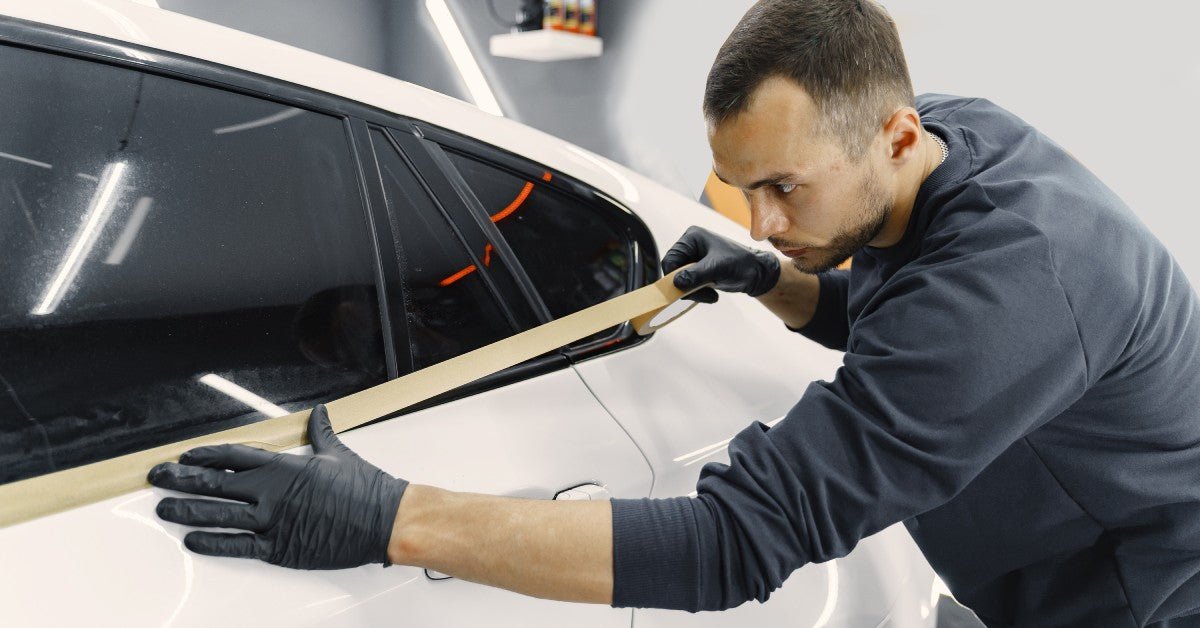
Car restoration is a meticulous process that requires the utmost attention to detail. Whether you're touching up paintwork, restoring classics, or simply experimenting with your first DIY project, selecting the right tools can make or break the results. One such tool, often underrated but absolutely essential, is masking tape. Masking tape isn't just a trivial part of the process; it plays a critical role in ensuring professional-level finishes, clean edges, and surface protection. But with so many options on the market, how do you choose the right tape for your car restoration project? Let’s take a look at how to pick the right masking tape for car restorations.
Understanding the Role of Masking Tape in Car Restorations
Masking tape is a pressure-sensitive adhesive tape, designed to cover and protect specific areas while leaving others exposed to painting, sanding, or other treatments. Its most important job during car restorations is to ensure that paint doesn't bleed into unintended areas, maintaining crisp, clean lines on your vehicle's surface.
Beyond that, it prevents delicate trims, glass, chrome finishes, or rubber seals from getting damaged during restoration. The tape you choose directly impacts the precision of your work and the longevity of your results.

The Importance of Surface Compatibility
One of the key factors to consider when selecting masking tape is the compatibility with the surface you're working on. During car restorations, you often deal with a range of surfaces such as painted metal, plastic trims, chrome, and rubber.
Not every masking tape adheres equally well to all these surfaces. For instance, using standard household masking tape on glossy or oily surfaces may result in poor adhesion or leave behind a sticky residue. Automotive masking tapes are specifically formulated to work on a variety of materials while being gentle on surfaces, making them a preferred choice among professionals.
Temperature Resistance Is Critical
When working with automotive paints, heat is often involved in curing or drying processes. The masking tape you choose must be able to withstand high temperatures without losing adhesion or degrading. Heat-resistant masking tapes are designed specifically for automotive use, ensuring they hold firmly during paint baking processes.
Low-quality tapes may wrinkle, peel, or melt under heat, leading to uneven edges or adhesive residue that can ruin your finish. Always consider the working temperature in your restoration environment before selecting a tape.
Precision Edging for Clean Lines
Achieving straight, clean lines is crucial for professional-looking car restorations. While it may seem like any tape can provide this, not all masking tapes are created equal when it comes to precision.
High-quality automotive tapes often feature sharp edges and are engineered to prevent paint bleed, making them indispensable for intricate designs or two-tone paint jobs. Some even offer advanced technologies like ultra-thin tape for razor-sharp edges, ensuring a flawless, professional-grade finish.
Adhesive Strength and Residue Concerns
The level of adhesive strength required varies depending on the specifics of your project. For tasks involving curved or textured surfaces, a tape with medium to high adhesive strength is ideal to ensure it stays in position.
However, strong adhesion isn't always better, as overly aggressive tape can damage delicate surfaces or leave behind sticky residue that's difficult to remove. Low-tack automotive masking tape works best for areas like chrome trims or glass, as it sticks gently but firmly without causing any harm.
Tape Width and Flexibility
The width of the masking tape you choose can greatly influence its effectiveness. Narrow tape is ideal for precision work, particularly on details like pinstripes or intricate designs. Wider tape, on the other hand, covers larger areas and is better suited for general masking tasks.
Flexibility matters when working on curved surfaces. Specialty flexible masking tapes can bend and contour to rounded edges, which allows for consistent coverage on complex shapes like fenders and door handles.
Water and Solvent Resistance
During a car restoration, the surfaces being treated often come in contact with water, solvents, or other chemicals. Poor-quality masking tape may lose its adhesive properties or break down when exposed to these elements.
Automotive tapes designed for professional use are typically solvent- and water-resistant, ensuring they perform consistently throughout the restoration process. This feature is especially important if you’re working with water-based or solvent-based paints.
Durability in Outdoor Conditions
If you're conducting car restoration work outside or in a less controlled environment, the durability of masking tape against environmental factors such as sunlight, moisture, and wind becomes paramount.
UV-resistant tapes are engineered to withstand extended exposure to sunlight without breaking down or leaving residue. This ensures that even in outdoor restoration scenarios, your masking remains intact and effective for the duration of the project.
Cost Versus Quality
While budget constraints are always a consideration, selecting masking tape purely based on cost can lead to disappointing results. Cheaper, low-quality tapes may fail to adhere properly, tear during removal, leave unsightly residue, or fail to withstand the rigors of the restoration process.
Investing in high-quality automotive masking tape may cost more upfront but will save you time and frustration down the line while ensuring a polished, professional finish. Reliable brands are often worth the extra investment for the peace of mind they provide.

Tips for Using Masking Tape During Restorations
For the best results, always apply masking tape to clean, dry surfaces free from dirt or oil. Press the tape firmly to ensure proper adhesion, especially along the edges, to prevent paint bleed.
Additionally, avoid stretching the tape during application, as this can weaken its hold and lead to lifting. When removing the tape, peel it off slowly at a shallow angle to prevent chipping the paint. Attention to these small details can significantly improve the quality and precision of your restoration.
Invest in the Best Tape Possible
Choosing the right masking tape for your car restoration project may seem like a small detail, but it has a substantial impact on the outcome. With so many options available, from heat-resistant tapes to low-tack varieties, understanding the specific needs of your project is key to making the best choice. Whether you're a professional or a hobbyist, investing time in selecting the right tape will ensure a clean, precise, and visually stunning finish. Pay attention to factors like adhesive strength, heat resistance, and surface compatibility to achieve the professional-grade results your restoration deserves.
For your next restoration project, make sure you invest in the best automotive restoration products. Eagle National provides professional-grade equipment to give you the results you’re looking for. Contact us today and find out more about the products we carry.