
Minor scratches, rock chips, and faded spots can make even a well-maintained vehicle look tired. While full-body repainting requires professional tools and expertise, many small cosmetic issues can be handled at home with car aerosol paint. When it comes to DIY car touch-ups, knowing when to use car aerosol paint can help you achieve a smooth, seamless finish without overspending or damaging your vehicle’s value.
Understanding Car Aerosol Paint
Car aerosol paint is specially formulated automotive paint packaged in a spray can. Unlike general-purpose spray paint, automotive aerosol paint is designed to match factory color codes, adhere properly to metal and plastic surfaces, and withstand weather exposure. Many products include primers, base coats, and clear coats specifically engineered for automotive use.
Modern aerosol systems often feature adjustable spray nozzles that create a fan pattern similar to professional spray guns. This allows for smoother coverage and more consistent application, making them ideal for small repairs.
However, aerosol paint is best suited for targeted areas rather than large panels. The limited spray control and smaller paint volume make it less practical for repainting an entire hood or door.
Ideal Situations for Using Car Aerosol Paint
Car aerosol paint works best for minor cosmetic damage. Small scratches that have not penetrated deeply into the metal can often be repaired with light sanding, primer, and color-matched paint. Rock chips on the front bumper or hood are another common candidate for aerosol touch-ups.
Faded mirror caps, door handles, trim pieces, and small sections of bumper damage are also suitable for spray can repairs. These areas are typically small enough to blend paint effectively without noticeable transitions.
Surface rust spots can also be treated with aerosol paint after proper rust removal and priming. Addressing rust early helps prevent further corrosion and maintains your vehicle’s structural integrity.
In these scenarios, aerosol paint provides a cost-effective and efficient way to restore your car’s appearance without visiting a body shop.

When Aerosol Paint Is Not the Right Choice
While aerosol paint is convenient, it is not a solution for every paint issue. Large dents, deep scratches that expose bare metal across wide areas, or severe peeling paint often require professional repair. Attempting to spray large panels can lead to uneven coverage, visible blending lines, and texture differences known as orange peel.
Color matching can also be challenging for older vehicles with faded paint. Even if you use the correct factory color code, the surrounding paint may have changed over time due to sun exposure. In these cases, a professional body shop can blend new paint across adjacent panels for a more seamless look.
Structural damage, significant rust, or cracked plastic components should also be addressed professionally before any cosmetic painting begins.
Preparing the Surface Properly
Preparation is the most important step in achieving professional-looking results with car aerosol paint. Rushing through prep work is one of the main reasons DIY touch-ups fail.
Start by thoroughly washing the damaged area to remove dirt, grease, and road debris. After cleaning, sand the area gently to smooth out rough edges and remove any loose paint. If rust is present, sand down to clean metal and apply a rust-inhibiting primer.
Masking is essential for clean results. Use automotive masking tape and plastic sheeting to protect surrounding panels from overspray. Even a small spray can produces fine mist that can travel farther than expected.
Once the surface is smooth and clean, apply primer if needed. Allow adequate drying time between coats. Proper priming ensures better paint adhesion and a smoother final finish.
Matching the Paint Color
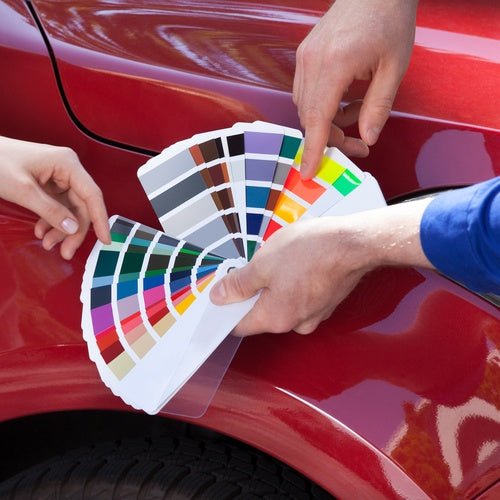
One of the biggest concerns with DIY touch-ups is color matching. Most vehicles have a paint code located on a sticker inside the driver’s door frame, under the hood, or in the trunk. Using this code allows you to purchase an aerosol paint that matches your factory color.
High-quality automotive aerosol paints are mixed specifically to these codes, improving accuracy. However, factors such as age, sun exposure, and prior repairs can affect how well the new paint blends.
Testing the spray pattern and color on a scrap surface before applying it to your vehicle helps ensure consistency. Applying light, even coats and gradually building up coverage reduces the risk of noticeable differences.
Applying Aerosol Paint Correctly
Technique plays a significant role in the outcome of your DIY repair. Shake the can thoroughly according to manufacturer instructions. Hold the can at the recommended distance, typically about six to eight inches from the surface.
Apply thin, even coats rather than one heavy layer. Multiple light passes help prevent drips and runs. Allow each coat to flash dry before applying the next.
After achieving full color coverage, apply a compatible clear coat to protect the paint and add gloss. Clear coat not only enhances appearance but also shields the repair from UV rays and environmental damage.
Once the paint has fully cured, wet sanding and polishing can help blend the repair into the surrounding area. This final step significantly improves the professional look of the finish.
Environmental Considerations
The environment in which you paint affects your results. Ideal conditions include low humidity, moderate temperatures, and minimal wind. Painting in extreme heat or cold can cause uneven drying, bubbling, or poor adhesion.
Dust and debris are also common challenges in home garages or driveways. Whenever possible, work in a clean, enclosed space with proper ventilation. Avoid painting outdoors on windy days to prevent contamination.
Taking time to control your environment helps reduce imperfections and increases the durability of your touch-up work.
Cost Benefits of DIY Aerosol Repairs
One of the main advantages of using car aerosol paint is cost savings. Professional body shop repairs, even for small scratches, can become expensive due to labor, materials, and blending processes. In contrast, aerosol paint and basic supplies are relatively affordable.
For minor cosmetic issues, a DIY repair can restore your vehicle’s appearance at a fraction of the cost. This is especially beneficial for older vehicles where investing in extensive professional repainting may not be financially practical.
However, cost savings should be balanced with realistic expectations. If a repair is highly visible or involves complex damage, professional services may still provide better long-term value.
Maintaining Your Touch-Up Work
After completing a touch-up, proper maintenance helps preserve the results. Avoid washing the repaired area for the recommended curing period. Once fully cured, regular washing and waxing can protect the finish.
Applying a quality automotive wax provides an additional layer of protection against UV rays and road contaminants. Consistent care ensures that your DIY repair blends well over time.
Inspecting your vehicle periodically for new chips or scratches allows you to address issues early before they worsen.

Building Confidence with Small Projects
If you are new to automotive touch-ups, start with less visible areas. Practicing on trim pieces or lower bumper sections helps build confidence before tackling more noticeable spots.
With patience, preparation, and attention to detail, car aerosol paint can produce impressive results. The key is understanding the limits of DIY work and choosing the right situations for spray can repairs.
Keep Your Car Looking Great
Car aerosol paint offers a practical solution for minor cosmetic repairs, from small scratches to chipped bumpers and faded trim. When used appropriately and applied with care, it can significantly improve your vehicle’s appearance without the expense of professional repainting.
By focusing on proper preparation, accurate color matching, controlled application, and suitable environmental conditions, you can achieve a smooth, durable finish. Knowing when aerosol paint is the right tool, and when professional help is necessary, ensures your DIY touch-ups enhance your vehicle’s look and maintain its value for years to come.